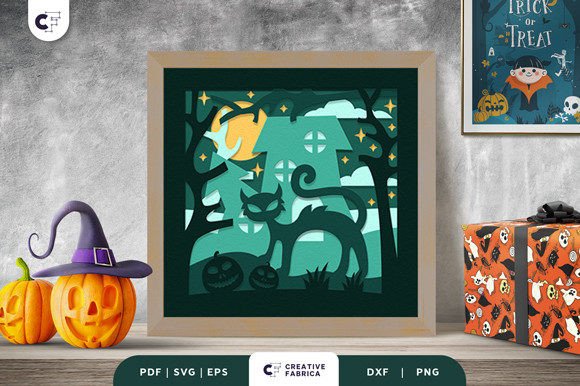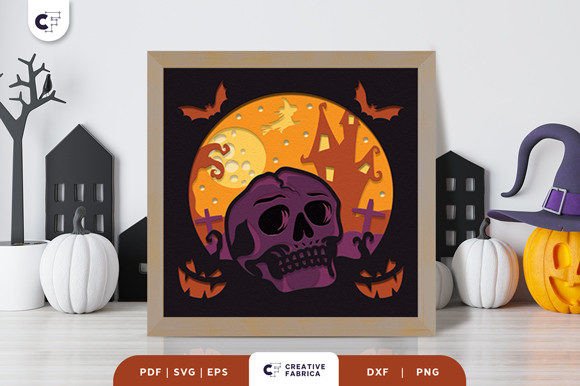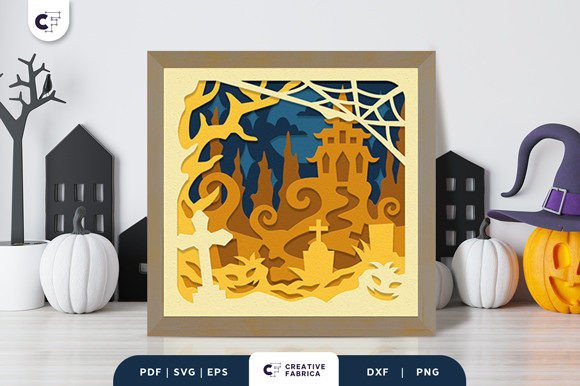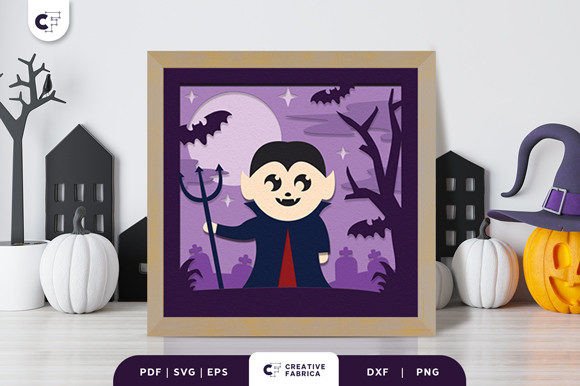
Haunted Forest 3D Paper Cut Shadow Box Review for Embroidery Projects
As an experienced embroidery designer and product reviewer, I’ve had the chance to evaluate countless designs—each with its own strengths and limitations. The Haunted Forest 3D Paper Cut Shadow Box caught my attention not just because of its thematic appeal but due to its bold, dimensional silhouette that feels like it steps right out of a spooky storybook.
First Impressions: A Mood of Mystery
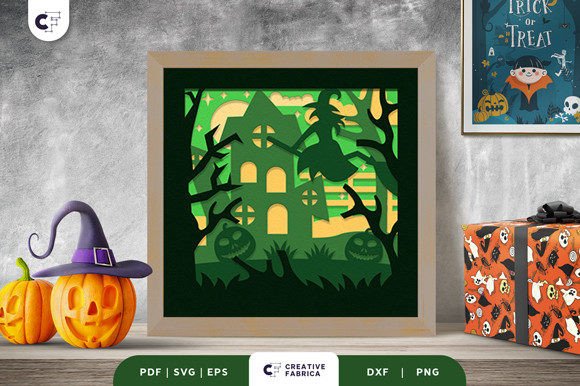
The moment I unzipped the digital file for Haunted Forest 3D Paper Cut Shadow Box, I knew this was more than just another Halloween-themed design. Its composition—a layered scene featuring a spectral witch, gnarled trees, and a mysterious forest path—creates a moody atmosphere that’s perfect for autumnal or themed handmade products. The layout is balanced yet dramatic, with strong negative space allowing the shadows to breathe. It's clear that the artist paid close attention to depth and hierarchy through layering, making it feel like a paper-cut art piece rather than a flat illustration.
This kind of visual storytelling is rare in machine embroidery files. While many Halloween designs rely on simple outlines and bright colors, this one uses subtle shading and structure to evoke emotion and atmosphere. As someone who values uniqueness in design assets, I appreciated the artistic approach without sacrificing stitchability.
Real-World Application: Where This Design Shines
I decided to test Haunted Forest 3D Paper Cut Shadow Box on a custom sweatshirt order. The goal was to create a high-quality, personalized gift for a client who wanted something memorable for their child’s birthday party. The design worked beautifully when converted into a layered machine embroidery design, especially using satin stitch for the main silhouettes and fill stitch for the background textures.
On thicker fabrics like cotton blends, the dimensionality really comes through. The 3D aspect gives the final product a sense of depth that you don’t often see in standard applique designs. For craft business owners and Etsy sellers, this could be a game-changer when creating holiday gifts or boutique-style merchandise that stands apart from generic options.
Another promising use case was for tote bags. When applied as a central motif, the design became the focal point of the project. The clean lines and dramatic shapes make it ideal for large-format embroidery projects, where the details can be fully appreciated. I also tested it on a pillow cover made for a small shop owner looking to add seasonal decor to their inventory. The result was stunning, giving the product a professional finish that elevated its perceived value.
Design Considerations for Stitch Clarity and Presentation
One thing to note is the level of detail in the corners and edges. The design features intricate elements like tree branches and architectural details of the haunted mansion. These are stitched clearly, but they require a stable fabric base and proper tension control to avoid distortion. If you're working with stretchy or thin materials, consider adjusting your settings or using a stabilizer to maintain sharpness in these areas.
Stitch density is another important factor. Because of the layered look, some parts of the design have heavier stitching. I recommend reviewing the stitch count per section before sending it to production, especially if you're planning multiple placements on a single garment or item. High-density areas may cause puckering or stiffness unless managed carefully.
Where to Use It Carefully
While Haunted Forest 3D Paper Cut Shadow Box is visually striking, it's not always the best fit for every product. Here are a few situations where caution is advised:
- Small hoop sizes: The design is expansive and would lose impact if scaled down too much. Test it in your usual hoop dimensions before committing.
- Textured or stretchy fabrics: The fine lines and detailed silhouettes might become distorted or blurred. Stick to medium-weight woven fabrics for the best outcome.
- Dark backgrounds: The black silhouettes work well on light-colored fabrics, but on dark ones, the contrast is reduced. You may need to adjust thread colors or consider adding a white backing for visibility.
- Curved surfaces: On items like caps or curved patches, the design may not lay flat properly. Make sure to confirm whether the design has been optimized for such applications.
If you're thinking about using it for baby clothes or items that will undergo frequent washing, be mindful of the stabilizer used and how well the threads hold up over time. Reinforcing the design with a tear-away or cut-away stabilizer is highly recommended.
Customer Appeal and Market Potential
From a marketability standpoint, the Haunted Forest 3D Paper Cut Shadow Box has strong potential. It’s versatile enough to fit into both personal and commercial embroidery projects. As a personalized gift, it adds a unique, handcrafted touch that customers notice and appreciate. For small shop owners and creative entrepreneurs, this design could serve as a signature element in seasonal collections or limited-edition runs.
Its giftability is high, particularly during October and other fall events. Customers love the idea of receiving a product that looks professionally made but still retains a handmade charm. The design's moodiness makes it appealing to older kids, teens, and even adults looking for a nostalgic Halloween vibe. In terms of brand consistency, it’s a great option for shops focusing on gothic, vintage, or fantasy aesthetics.
Practical Tips for Embroidery Designers and Crafters
Before diving into production, here are a few tips I’d share with fellow designers and hobbyists:
- Test on scrap fabric first: Especially if you’re new to this style of 3D SVG embroidery. Observe how the layers behave and whether the stabilizer holds up after washing.
- Check thread color contrast: While black is the default, experimenting with alternative thread colors (like deep reds or purples) can give it a different personality while maintaining the spooky theme.
- Review stitch density: Some sections may require adjustment to prevent puckering or ensure comfort, especially for wearable items like sweaters or aprons.
- Confirm hoop size: This design needs room to breathe. Don't try to force it into a smaller hoop than intended—it can compromise the overall look.
- Inspect small details: The finer aspects like facial expressions and branch tips are delicate. Ensure your machine is set to handle them without breaking needles or causing skips.
- Use proper stabilizer: Depending on your fabric choice, a good stabilizer is essential. I found that a lightweight tear-away works well for cotton, while a cut-away is better for synthetics or stretchier materials.
- Test in black and white mockups: Since the design relies heavily on silhouettes, seeing it in grayscale helps assess how well it translates to different color schemes.
- Compare light and dark fabric backgrounds: The design looks best on light-colored bases, but don’t dismiss dark fabrics outright. Adding a white outline or backing can enhance visibility.
- Check licensing before selling: Always verify that the design allows for commercial use if you plan to sell finished products or digital files. This is crucial for Etsy sellers and digital product creators.
Final Thoughts: A Design with Depth and Character
In short, the Haunted Forest 3D Paper Cut Shadow Box is a standout embroidery file that brings real character to any project. It’s not just a design—it's a statement. Whether you're embroidering a custom sweatshirt for a family event or designing a line of holiday gifts for your craft business, this design offers a fresh take on Halloween themes.
It’s the kind of design asset that elevates your handmade product from ordinary to extraordinary. Just be prepared to treat it with care, considering the fabric, hoop size, and placement. With the right preparation, it becomes a powerful tool for customer engagement and brand recognition.
So yes, I’d say this is one of those rare 3D SVG files that actually enhances the final product. It’s worth the time to test and adapt, especially if you're aiming for a unique look in your embroidery project. Let me know how it works for you—I’m curious to hear what other small shop product creators do with it next!