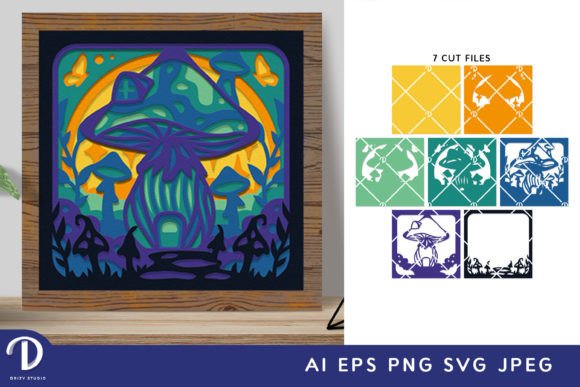
Mushroom House 3D SVG Shadow Box for Content Creators
As a seasoned blog designer and digital publisher, I'm always on the lookout for graphic design assets that elevate content visuals without overwhelming them. The Mushroom House 3D Shadow Box Paper Cut caught my attention immediately for its delicate charm and dimensional appeal. It’s not just another decorative element—it's a versatile editorial asset with a distinct personality that can bring warmth and whimsy to your creative projects.
A Whimsical Editorial Mood with Strong Visual Identity
The first thing I noticed about this design is how it naturally evokes a sense of enchantment. The Mushroom House sits in a celestial shadow box, suggesting a fantasy or dreamlike setting. This makes it ideal for niches like lifestyle, wellness, nature-inspired blogs, or even children’s content. The overall tone feels playful yet professional, which is a rare combination in editorial design. It doesn’t scream for attention but instead invites the viewer in with its soft curves and intricate paper-cut details.
Its feminine and artistic style gives off a modern handmade vibe—perfect for creators who want their brand identity to reflect creativity, care, and a touch of magic. Whether you're designing a seasonal post about autumn crafts or an educational article about fungi in nature, this asset adds a layer of visual storytelling that resonates well with readers seeking emotional connection through imagery.
Real-World Applications in Content Publishing
One of the best things about this 3D SVG shadow box is its adaptability across different publishing platforms. Here are several real use cases where it shines:
- Blog Featured Images: Use it as a central focal point in blog headers to create a strong first impression. Its depth and detail make it stand out from flat illustrations.
- Pinterest Graphics: With Pinterest favoring vertical images and rich visual content, this design works beautifully when paired with short, compelling headlines and clean typography.
- Newsletter Headers: Add a dash of creativity to your email newsletters by placing the Mushroom House in a corner or floating subtly above text to draw the eye and enhance brand recognition.
- Downloadable Resources: Ideal for lead magnets, worksheets, or digital guides related to gardening, nature, or mindfulness. The whimsical mood supports educational yet approachable content.
- Media Kits & Brand Assets: If your website offers sponsorships or collaborations, integrating this into your media kit graphics helps establish a unique and memorable brand identity.
- Canva Templates: As a designer, I know how valuable pre-built templates are. This 3D SVG fits seamlessly into Canva designs for social media posts, Instagram stories, or promotional banners.
- eBook Covers & Digital Products: The Mushroom House brings a sense of curiosity and wonder, making it perfect for book covers or digital products centered around imagination, creativity, or self-care.
Enhancing Content Performance with Purposeful Design
Good editorial design isn’t just about aesthetics—it’s about performance. The Mushroom House 3D Shadow Box contributes to stronger content engagement in multiple ways:
- Stronger First Impressions: Readers form opinions in seconds. This design’s uniqueness and quality help your blog or website stand out instantly.
- Clearer Visual Hierarchy: When placed strategically, the shadow box can guide the reader’s eye toward key elements like headlines or call-to-action buttons.
- Better Click-Through Potential: On Pinterest or social media, visuals with a mix of color, shape, and dimension tend to perform better. This one ticks all the boxes.
- More Consistent Branding: Repetitive use across thumbnails, banners, and downloadable resources reinforces your brand’s visual language and builds familiarity.
- Improved Reader Trust: High-quality, professionally rendered design assets signal to your audience that you care about presentation, which enhances credibility.
- Stronger Category Recognition: For niche websites, using a signature asset like this in category thumbnails or section headers helps users quickly identify topics they care about.
- Polished Content Pages: From editorial layouts to affiliate marketing landing pages, this design adds a layer of sophistication and cohesiveness.
Where This Asset Works Best: A Publisher’s Perspective
After testing the Mushroom House 3D Shadow Box Paper Cut in various contexts, here are the areas where it performs exceptionally well:
- Hero Images: Place it at the top of blog posts or landing pages to set the tone and engage visitors visually.
- Article Thumbnails: Especially effective when used alongside lifestyle or craft-related topics. Its detailed structure ensures visibility even in small sizes.
- Pinterest Pins: The layered look and soft colors align perfectly with Pinterest’s aesthetic-driven user base. Pair it with a bold headline and minimalist layout for optimal scroll-stopping potential.
- Editorial Accents: Drop it into sidebars, between paragraphs, or as a border element to break up text and add visual interest.
- Content Upgrades: When used in downloadable printables or bonus PDFs, it adds perceived value and encourages sign-ups.
- Social Media Previews: Perfect for Instagram carousels, Facebook posts, or YouTube thumbnails where a touch of fantasy and artistry can differentiate your content.
When to Approach Carefully: Practical Considerations
While this design asset is undeniably charming, there are situations where it might not be the best fit. Here’s what I recommend considering before implementation:
- Small Mobile Thumbnails: Though it looks great in larger formats, some details may get lost when scaled down. Always preview it in thumbnail size to ensure clarity.
- Text-Heavy Blog Images: Avoid overloading the visual with too much copy. Let the image breathe and support a concise message.
- Low-Contrast Backgrounds: The subtle coloring of the shadow box may not pop against muted or monochromatic backgrounds. Test variations with white, cream, or pastel tones for best results.
- Busy Layouts: In complex web designs or multi-element newsletter sections, the Mushroom House could compete with other graphics. Use it sparingly in these cases.
- Corporate or Minimalist Niches: If your brand leans heavily into professionalism or minimalism, this whimsical piece may feel out of place. However, it can work well in softer, lifestyle-focused corners of such sites.
Publisher Tips for Implementation
Before integrating this design into your workflow, consider these practical steps to ensure it meets your editorial and branding needs:
- Test on Desktop and Mobile Screens: Make sure it retains its charm and legibility across devices.
- Check Thumbnail Appearance: How does it look when reduced? Does the main focus still remain clear?
- Preview in a Real Blog Layout: See how it interacts with fonts, spacing, and other design elements on your actual site.
- Pair with Different Font Styles: Try it beside serif, sans serif, script, handwritten, and display fonts to find the most harmonious match.
- Review File Size: Optimize SVG and PNG exports for fast web loading times. Large file sizes can hurt page speed, especially if used frequently.
- Confirm Commercial Licensing: Always verify that the asset is licensed for commercial use, particularly if you’re using it on monetized websites, affiliate pages, or paid digital products.
Final Thoughts for Creative Publishers
The Mushroom House 3D Shadow Box Paper Cut is more than just a pretty graphic—it's a strategic design asset that supports content marketing and brand storytelling. Whether you're creating blog headers, Pinterest pins, or downloadable guides, this 3D SVG adds a level of polish that reflects professionalism while keeping the tone warm and inviting.
For small business owners, online educators, and bloggers looking to build a cohesive visual system, this shadow box is a standout addition to your creative toolkit. It helps you maintain a consistent editorial style across platforms and improves the clickable appeal of your content—key factors in driving traffic and building trust with your audience.
If you're ready to inject a little whimsy into your next project and boost the visual hierarchy of your content, give this Mushroom House design a try. Just remember to test, optimize, and tailor it to your specific brand voice and publishing needs.